


Modern villa interior ideas can help transform a home into a stylish, comfortable and functional living space. From carefully planned layouts and elegant colour combinations to contemporary lighting and premium materials, every design detail contributes to the overall look and feel of a villa.
In Dubai, a well-designed villa should balance modern aesthetics with everyday practicality. For example, open-plan living areas, natural lighting, smart storage and durable finishes can make a home more inviting while supporting the needs of its residents.
Whether you are refreshing an existing space or planning a complete interior transformation, the right design approach can bring consistency, comfort and personality to every room. Here are some practical ideas to help create a beautiful and functional modern villa.
1. Choose an Interior Design Style That Suits Your Villa
Before selecting furniture, colours or decorative accessories, decide on an overall interior design style. A consistent theme helps create a balanced appearance throughout the property.
Some popular styles include:
- Contemporary: Clean lines, simple furniture, neutral colours and modern finishes.
- Minimalist: Uncluttered spaces, functional furniture and a focus on simplicity.
- Modern luxury: Premium materials, elegant lighting, refined furniture and sophisticated details.
- Natural and organic: Wood finishes, stone textures, earthy colours and natural elements.
However, your chosen style should also reflect your lifestyle. A family home, for instance, may benefit from practical furniture and durable materials, while a villa designed for entertaining may require more open spaces and comfortable social areas.
2. Make Better Use of Your Living Space
Good space planning is essential when developing modern villa interior ideas. A spacious property can still feel uncomfortable if furniture placement, room layouts and movement between areas are not properly considered.
Start by identifying how each room will be used. Living rooms should provide comfortable seating and clear pathways, while dining areas should allow enough space for chairs and movement.
Consider these practical space-planning ideas:
- Use open-plan layouts to connect living, dining and kitchen areas.
- Position furniture to maintain comfortable walking paths.
- Create separate functional zones in larger rooms.
- Use glass partitions when you need separation without blocking natural light.
- Arrange furniture around focal points such as windows, feature walls or entertainment units.
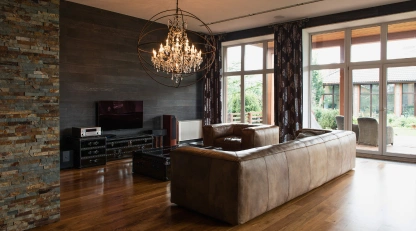
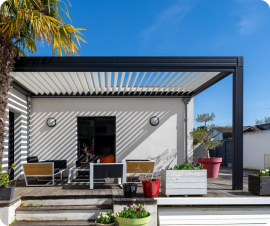
Furthermore, consider the relationship between indoor and outdoor spaces. Large windows and sliding glass doors can create a more connected atmosphere, particularly in villas with gardens, terraces or swimming pools.
3. Select Colours and Materials Carefully
Colour and material selection can significantly influence the atmosphere of a villa. Neutral shades such as beige, cream, warm white and soft grey are popular choices because they create a calm and timeless foundation.
You can introduce more character through accent colours, decorative finishes and carefully selected textures.
For example:
- Wood: Adds warmth and a natural appearance.
- Marble: Creates an elegant and refined finish.
- Natural stone: Introduces texture and visual interest.
- Glass: Helps spaces feel open and bright.
- Metal accents: Add subtle detail to furniture, lighting and decorative features.
However, avoid using too many competing materials in one space. Instead, select a consistent palette and repeat complementary finishes throughout the villa. This approach creates a more coordinated interior.
4. Use Lighting to Enhance Every Room
Lighting is more than a practical requirement; it also helps define the atmosphere and character of an interior.
Whenever possible, maximise natural daylight through large windows, glass doors and suitable window treatments. During the evening, combine different types of artificial lighting to create a comfortable environment.
Consider the following lighting options:
- Ambient lighting: Provides general illumination throughout a room.
- Task lighting: Supports activities such as reading, cooking and working.
- Accent lighting: Highlights artwork, architectural details and decorative features.
- Decorative lighting: Adds visual interest through pendant lights, chandeliers and statement fixtures.
For instance, recessed ceiling lights can provide a clean, modern appearance, while pendant lights above a dining table can become an attractive focal point.
Additionally, consider dimmable lighting in living rooms and bedrooms. This allows you to adjust brightness according to the time of day and intended atmosphere.
5. Create a Modern and Functional Kitchen
The kitchen is one of the most frequently used spaces in a home. Therefore, its design should combine attractive finishes with an efficient layout.
Modern villa kitchens often feature streamlined cabinetry, integrated appliances, durable countertops and practical storage solutions.
Here are some ideas to consider:
- Install handleless cabinets for a clean, contemporary appearance.
- Choose durable countertop materials that are easy to maintain.
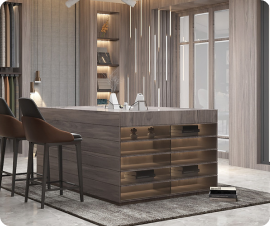
- Add an island for food preparation, storage or informal dining.
- Use under-cabinet lighting to improve visibility.
- Organise cabinets and drawers to make everyday items easier to access.
Furthermore, consider how the kitchen connects with the dining and living areas. An open-plan arrangement can make the space feel more welcoming and suitable for family gatherings.
6. Design Bedrooms for Comfort and Relaxation
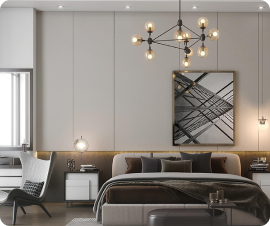
Bedrooms should provide a comfortable and peaceful environment. While the overall design should complement the rest of the villa, each bedroom can still have its own character.
Start with a practical furniture arrangement that allows enough room to move around. A comfortable bed, suitable bedside tables and functional wardrobes should form the foundation of the layout.
To create a more relaxing atmosphere, consider:
- Soft and neutral colour palettes.
- Layered lighting with bedside lamps and ceiling fixtures.
- Upholstered headboards and comfortable bedding.
- Built-in wardrobes for organised storage.
- Curtains or blinds that provide suitable light control.
For larger bedrooms, you can also introduce a small seating area or dressing space. However, avoid overcrowding the room with unnecessary furniture.
7. Include Smart Storage Solutions
A well-designed villa should look organised without sacrificing style. Storage is especially important for maintaining clean and functional living spaces.
Instead of relying entirely on freestanding cabinets, consider incorporating storage into the interior design itself.
Practical options include:
- Built-in wardrobes with customised internal compartments.
- Under-stair cabinets and drawers.
- Storage benches in entryways.
- Concealed cabinets in living areas.
- Wall-mounted shelving and display units.
- Custom kitchen cabinets designed around household needs.
Moreover, custom storage can make better use of awkward corners and unused spaces. As a result, rooms can remain organised while maintaining a clean and uncluttered appearance.
8. Add Decorative Details and Personal Touches
Decorative elements help give a villa its personality. Even a simple interior can feel distinctive when accessories, artwork and textures are selected carefully.
For example, you can introduce:
- Statement artwork or framed photographs.
- Decorative mirrors to add visual depth.
- Indoor plants for a natural touch.
- Area rugs to define different zones.
- Cushions and soft furnishings to introduce colour and texture.
- Carefully selected accessories for shelves and tables.
However, decoration should complement the overall design rather than compete with it. Choose a few meaningful pieces instead of filling every available surface.
9. Consider Dubai’s Climate When Choosing Interior Materials
Interior design in Dubai should consider the local climate and everyday living conditions. Heat, sunlight and dust can influence the performance and maintenance requirements of interior materials.
For this reason, choose finishes that are suitable for the environment and the intended use of each room.
Some practical considerations include:
- Select flooring and surfaces that are easy to clean and maintain.
- Use suitable window treatments to manage strong sunlight.
- Choose durable fabrics for frequently used furniture.
- Consider materials that can withstand regular temperature changes.
- Plan lighting and ventilation to support comfortable indoor spaces.
Additionally, energy-conscious choices can contribute to a more efficient home. The Dubai Municipality’s Al Sa’fat – Dubai Green Building System provides information about sustainable building practices in Dubai.
10. Choose a Professional Interior Design Team
Planning a villa interior involves more than selecting attractive furniture and finishes. It requires coordination between space planning, material selection, lighting, furniture layouts and the practical requirements of each room.
A professional interior design team can help bring these elements together. They can also assist with design concepts, visual presentations and material coordination before work begins.
When selecting an interior design company, consider its previous projects, design approach, communication process and ability to understand your requirements.
It is also helpful to discuss your preferred style, budget, timeline and functional needs early in the project. This creates a clearer direction and helps reduce unnecessary changes during implementation.
11. How Professional Interior Design Transforms Your Villa
Professional interior design brings together different elements to create a home that feels coordinated, comfortable and practical. Rather than treating each room separately, a considered design approach helps establish a consistent look throughout the property.
A well-planned interior can provide several benefits:
- Better use of space: Room layouts are planned around everyday activities and movement.
- Consistent design: Colours, materials and finishes work together throughout the villa.
- Improved comfort: Lighting, furniture and room arrangements support daily living.
- Personalised interiors: Design choices reflect the homeowner’s preferences and lifestyle.
- Practical storage: Built-in solutions help keep rooms organised.
- Long-term appeal: Carefully selected finishes and timeless design elements can remain attractive over time.
Ultimately, the goal is to create an interior that looks beautiful while meeting the practical needs of the people who live there.





































Leave a Comment