



If you are wondering how to rent out your property in Dubai, understanding the rental process is essential before listing your apartment, villa or commercial property. From preparing your property and setting a competitive rental price to finding suitable tenants and completing Ejari registration, every step requires proper planning.
Renting out a property in Dubai can provide owners with a valuable source of rental income. However, finding a tenant involves more than advertising a property. Landlords must prepare the unit, arrange viewings, review tenant applications and complete the necessary tenancy documentation.
1. How to Prepare Your Property for Rent in Dubai
Before advertising your property, make sure it is ready for prospective tenants. A well-presented property can attract more enquiries and help potential tenants visualise themselves living or working there.
Start with the following preparations:
- Inspect the property: Check walls, ceilings, flooring, doors, windows and fixtures for visible damage.
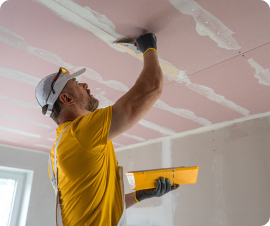
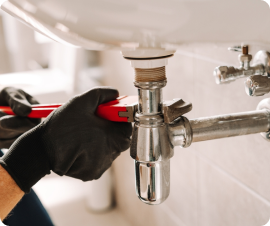
- Complete necessary repairs: Address plumbing leaks, electrical problems, damaged fittings and other maintenance concerns.
- Clean the property: Arrange professional cleaning to ensure the unit is presentable before viewings.
- Check air conditioning: Confirm that cooling equipment is operating properly, particularly before the summer season.
- Prepare the facilities: Check kitchen appliances, bathrooms, lighting and other included amenities.
- Improve presentation: Remove unnecessary items and organise the space to make rooms look clean and spacious.
Furthermore, consider professional photography and video tours. High-quality property visuals can help your listing stand out when prospective tenants compare available properties online.
2. How to Set the Right Rental Price in Dubai
Setting the right rental price is one of the most important decisions when preparing to rent out your property in Dubai.
A price that is too high may discourage potential tenants, while an unnecessarily low price could affect your expected rental income.
To establish a competitive asking price, consider:
- The property’s location and neighbourhood.
- Property type, size and number of bedrooms.
- Building facilities and available amenities.
- Parking availability and accessibility.
- Property condition and furnishing.
- Recent rental transactions for comparable units.
- Current competition from similar listings.
You can also consult the Dubai Land Department’s rental information and services to understand the official resources available to landlords and tenants.
Remember that asking prices advertised online are not necessarily the same as completed rental transaction values. Therefore, compare relevant properties and seek professional advice before deciding on your final rental price.
3. Where to Advertise Your Rental Property in Dubai
Once the property is ready and the rental price has been established, the next step is marketing.
A well-prepared listing should provide accurate information and enough detail for prospective tenants to understand what the property offers.
Include the following information:
- Property location and community.
- Number of bedrooms and bathrooms.
- Total area and layout.
- Annual rental price.
- Furnished or unfurnished status.
- Available parking spaces.
- Building and community facilities.
- Payment terms, where applicable.
- Availability and viewing arrangements.
In addition, use clear photographs that accurately represent the property. Avoid outdated images or descriptions that could create incorrect expectations.
For owners who want professional assistance with property marketing, Home Deals Real Estate provides real estate services across Dubai and Sharjah.
4. How to Arrange Property Viewings
Property viewings give prospective tenants an opportunity to inspect the unit and understand its condition before making a decision.
Before each viewing, make sure the property is clean, accessible and ready for inspection. If the unit is occupied, arrange appointments with the current tenant in accordance with the tenancy agreement and applicable requirements.
During the viewing, highlight relevant features such as:
- Room sizes and layout.
- Kitchen and bathroom facilities.
- Storage and parking.
- Building amenities.
- Nearby transport and essential services.
- Access to schools, shopping centres and workplaces.
However, avoid making promises about facilities, services or building rules that you cannot confirm. Providing accurate information helps build trust and reduces misunderstandings later.
5. Finding and Selecting Suitable Tenants in Dubai
Choosing a suitable tenant is an important part of protecting your rental property.
After receiving enquiries, review the prospective tenant’s application and confirm the information and documents required for the proposed tenancy.
Depending on the applicant and property type, this may include:
- Valid identification documents.
- Passport and UAE residence visa details, where applicable.
- Employment or company information, where relevant.
- Contact information.
- Required tenancy documentation.
- Agreed payment arrangements.
Property owners should also confirm that the proposed use of the property is consistent with the permitted use and the applicable building rules.
Furthermore, establish clear communication from the beginning. Discuss the expected move-in date, payment schedule, tenancy duration and any relevant conditions before proceeding.
6. Understanding Dubai Rental Agreements
Once both parties agree on the rental terms, the tenancy agreement should clearly document the arrangement and outline the responsibilities of both the landlord and tenant.
The agreement should include the property details, the names of both parties, the rental amount, the contract duration and the agreed payment arrangements.
Before signing, make sure the following details are clearly stated:
- Landlord and tenant information.
- Property address and unit details.
- Start and end dates of the tenancy.
- Annual rental amount.
- Number and timing of rental payments.
- Security deposit arrangements.
- Maintenance responsibilities.
- Any additional agreed conditions.
- Review all the details carefully to ensure both parties understand and agree to the rental terms before signing.
7. Ejari Registration When Renting Out Your Property in Dubai
After the tenancy agreement is completed, the registration process must be handled through the applicable Ejari channels.
Ejari is Dubai’s system for registering tenancy contracts. It helps document the rental arrangement and supports the formal administration of tenancy relationships.
Landlords and tenants should ensure that the contract information is accurate and that the required supporting documents are available.
The Dubai Land Department provides information about registering or renewing an Ejari tenancy contract.
If a real estate company is managing the property, confirm that it is appropriately authorised to carry out the relevant management and registration activities.
8. Property Handover Checklist for Dubai Landlords
Before the tenant moves in, arrange a proper property handover.
A documented handover helps both parties understand the property’s condition at the beginning of the tenancy.
A practical handover checklist should include:
- A property inspection.
- Photographs of the property’s condition.
- Meter readings, where applicable.
- Keys, access cards and parking access.
- Available appliance and equipment details.
- Existing maintenance observations.
- Relevant building access instructions.
- Copies of agreed handover documents.
Both parties should retain the necessary records for future reference.
This step is particularly useful when the tenant eventually moves out, as it provides a reference for assessing the property’s condition, taking ordinary wear and tear into account.
9. Managing Your Rental Property After Finding a Tenant
A landlord’s responsibilities do not end once the tenant receives the keys.
During the tenancy, maintenance requests, tenant communication and property-related administration may require ongoing attention.
For example, air conditioning problems, plumbing leaks and electrical faults may need to be assessed and addressed. Prompt coordination can help prevent minor issues from becoming more serious.
Under Dubai’s tenancy legislation, the landlord is generally responsible for maintenance and repairs that affect the tenant’s intended use of the property, unless the parties agree otherwise.
Therefore, the tenancy agreement should clearly explain the maintenance responsibilities of both parties.
Property owners with limited time or multiple rental units may benefit from professional support. Explore Home Deals Property Management Services to learn about its property maintenance, tenant assessment and property marketing support.
10. Professional Property Management in Dubai
Managing a rental property independently may be suitable for some owners. However, it can become more demanding when the landlord has several units, lives overseas or has other professional commitments.
A professional property management arrangement can help coordinate important activities, including:
- Property marketing and leasing support.
- Tenant assessment and communication.
- Property inspections.
- Maintenance coordination.
- Tenancy documentation and administration.
- Ongoing property oversight.
The specific responsibilities should be agreed in a written management agreement.
For owners who want assistance throughout the rental process, contact Home Deals Real Estate to discuss their property requirements.


































Leave a Comment