


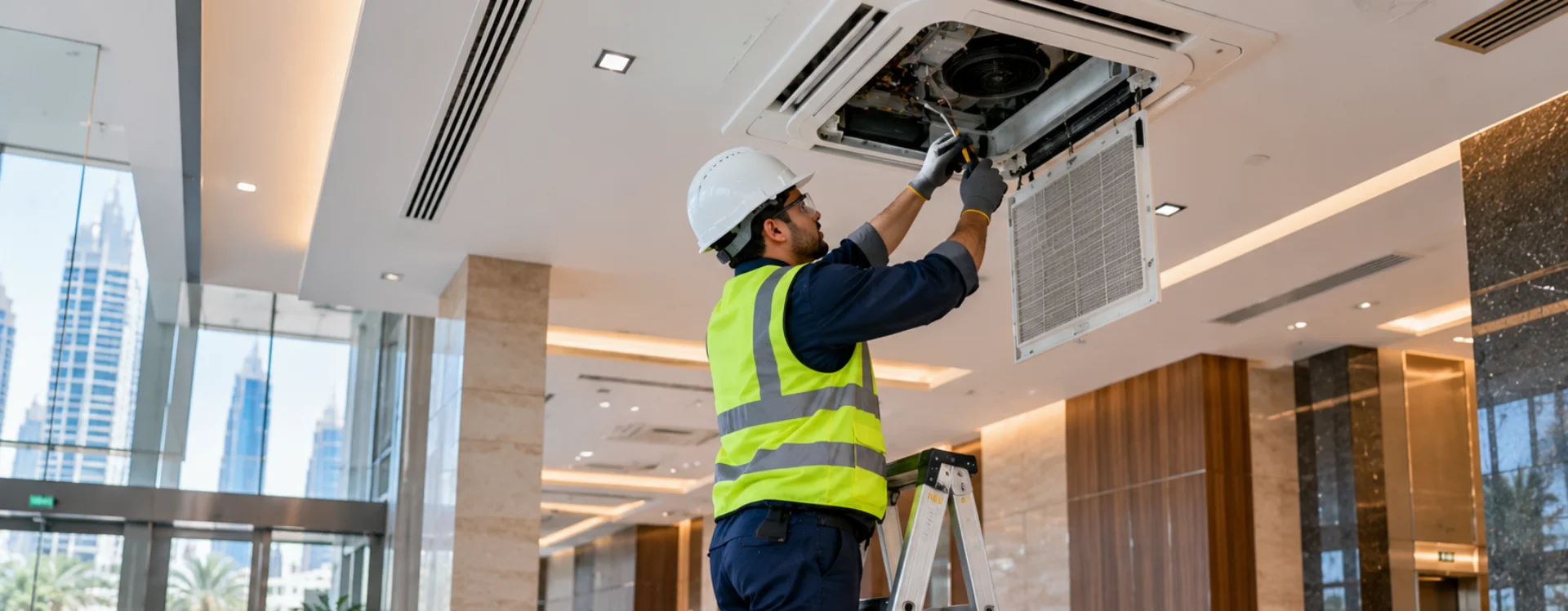
Buildings depend on more than strong structures and good design. They also need technical systems that work properly every day. Air conditioning, electrical systems, plumbing, and fire safety all play a role in how a building operates.
A technical contracting company in Dubai handles technical work related to building systems and infrastructure. Depending on the project, this work may include installation, testing, maintenance, and ongoing technical support.
However, choosing a provider involves more than checking which services it offers. You also need to understand your building’s requirements, the scope of work, and how the contractor will manage the project.
This guide explains what technical contracting companies do, when you may need one, and what to check before choosing a provider in Dubai.
What Is a Technical Contracting Company?
A technical contracting company provides services related to the systems that help buildings function.
These systems may involve mechanical, electrical, plumbing, and other technical work. The exact scope depends on the contractor’s capabilities and the requirements of the project.
For example, a new building may need technical installation during construction. An existing property may need maintenance, repairs, or improvements to its current systems.
Technical contractors can work with property owners, businesses, engineers, project managers, and other construction professionals to complete the agreed work.
What Services Does a Technical Contracting Company Provide?
Technical contracting services vary between companies. Before hiring a provider, check which systems it handles and whether those services match your requirements.
Common areas of technical building work include the following.
1. Air Conditioning Services
Air conditioning helps maintain comfortable indoor conditions in homes, offices, shops, and other buildings.
Technical work may involve installing equipment, checking system performance, or maintaining existing units. The required work depends on the building, its equipment, and its intended use.
When choosing a contractor, explain the property’s requirements and ask which air conditioning services fall within the proposed scope.
2. Electrical System Services
Electrical systems support lighting, power outlets, equipment, and other building functions.
Depending on the project, electrical work may form part of a new installation, an upgrade, or ongoing maintenance.
Because electrical work involves safety requirements, property owners should confirm the contractor’s scope, relevant qualifications, and applicable approval requirements before work begins.
3. Plumbing Services
Plumbing systems supply water and manage drainage throughout a property.
Problems with these systems can affect daily operations, so it is important to understand what work a contractor can handle. Depending on the building, the requirements may involve installation, repairs, or maintenance.
Before approving the work, ask the contractor to explain the problem, the proposed solution, and any additional work that may be necessary.
4. Fire Safety Services
Fire safety systems form an important part of building safety. Their requirements depend on the property’s use, design, and applicable regulations.
When arranging technical work related to fire safety, confirm which systems and tasks the contractor covers. Also, check whether the work requires specific approvals, testing, or documentation.
Do not assume that every technical contracting company provides every fire safety service. Always verify the scope before proceeding.
5. General Technical Maintenance
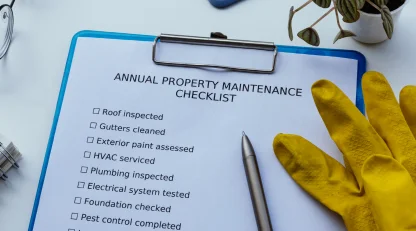
Buildings need regular attention to keep their technical systems in suitable working condition.
Maintenance requirements vary according to the equipment, building use, and condition of the systems. A maintenance plan may identify routine checks and help property managers plan work before problems become more disruptive.
Ask the contractor which maintenance tasks it offers and whether it can support the systems installed in your property.
When Do You Need a Technical Contracting Company?
You may need a technical contractor at different stages of a building’s life.
During construction: Technical work may be required to install and prepare building systems as part of the wider construction project.
During renovation: Changes to a property’s layout or use may require adjustments to electrical, plumbing, air conditioning, or other technical systems.
During regular operations: Property owners and managers may need maintenance or repairs to keep existing systems working as intended.
When a system develops a problem: A suitable contractor can assess the reported issue, explain the required work, and provide a proposed solution within its service scope.
In each case, the first step is to identify the problem or project requirement. This makes it easier to find a provider with the right technical capabilities.
How Do You Choose a Technical Contracting Company in Dubai?
Choosing a technical contracting company requires more than comparing quotations. You should understand what each provider can deliver and how its proposed work fits your building.
Use these checks before making a decision.
Check the Company’s Service Scope
Start by confirming that the company handles the technical work you need.
For example, a plumbing issue may require a different specialist from an electrical installation. If your project involves several systems, ask whether the company can cover the full scope or whether you will need additional providers.
A clear service scope helps you understand who will handle each part of the work.
Review Relevant Experience
Ask about experience with projects or systems similar to yours.
The technical requirements of a residential property may differ from those of a commercial building or a larger facility. Relevant experience can help you assess whether the provider understands the work involved.
Where appropriate, request project examples or references that relate to your requirements.
Request a Detailed Quotation
A quotation should explain the proposed work and its cost.
Before comparing prices, check whether each quotation covers the same tasks, materials, equipment, and testing requirements. Also, review exclusions and any conditions that could lead to additional charges.
A lower quotation may not represent better value if it leaves out work that another provider has included.
Confirm Qualifications and Approvals
Technical work may be subject to specific safety standards, qualifications, permits, or approval requirements.
Ask the contractor which requirements apply to your project and who will be responsible for meeting them. Verify any relevant credentials rather than relying on general assurances.
This is particularly important when work affects electrical systems, fire safety, or other regulated building systems.
Understand the Timeline and Communication Process
Ask how the contractor plans to organise the work and communicate progress.
For larger projects, clarify the main stages, expected completion dates, and how the team will handle unexpected issues. For maintenance work, agree on the tasks included and how you should report additional problems.
Clear communication helps you understand what to expect throughout the project.
Review the Contract Before Work Begins
Before signing, make sure the agreement explains the scope, costs, timeline, responsibilities, and payment terms.
It should also describe how the contractor will handle changes to the original work and what documentation you can expect when the job is complete.
If anything remains unclear, ask for clarification before giving approval.
What Is the Difference Between Technical Contracting and General Contracting?
Technical contracting focuses on technical systems and related work within a building or infrastructure project.
General contracting usually covers a broader construction scope and may involve coordinating different trades and construction activities.
The two areas can overlap. For example, a building project may require general construction work alongside electrical, plumbing, and air conditioning installation.
However, the responsibilities depend on the contract. Always confirm which tasks each contractor will manage and how the different teams will coordinate.
How Much Do Technical Contracting Services Cost in Dubai?
There is no single price for technical contracting services in Dubai. The cost depends on the type of work, the building, the equipment involved, and the project’s requirements.
Factors that may affect a quotation include:
- The type of technical system
- The size and complexity of the job
- The materials or equipment required
- The condition of existing systems
- Labour and testing requirements
- Project access and working conditions
- Any applicable approvals or additional work
For an accurate comparison, provide each contractor with the same project details and ask for a written quotation.
Also, check what the price excludes. This helps you understand the full proposed scope before committing to the work.
What Should You Ask Before Hiring a Technical Contractor?
Before choosing a provider, ask these practical questions:
- Do you provide the specific technical service I need?
- Have you handled similar work before?
- What does your quotation include and exclude?
- Which materials, equipment, or parts will you use?
- What is the expected timeline?
- Which approvals or qualifications are relevant to the work?
- Who will coordinate the work and provide updates?
- What testing or documentation will be provided at completion?
- How will you handle additional work or changes to the scope?
- What maintenance or follow-up support, if any, is included?
The answers will help you compare providers on more than price alone.
How Can You Prepare for a Technical Contracting Project?
A little preparation can make it easier to discuss your requirements with a contractor.
Start by gathering the information you already have about the building and its systems. This might include equipment details, existing maintenance records, drawings, photographs, or a description of the problem.
Next, identify the outcome you need. Are you planning a new installation, addressing a fault, upgrading a system, or arranging ongoing maintenance?
Finally, agree on the scope, quotation, responsibilities, and timeline before the work begins.
These steps give the contractor a clearer understanding of the job and help you assess the proposed solution.



Leave a Comment