


Preventive Building Maintenance in the UAE: A Guide for Property Owners
Buildings in the UAE require regular care to remain safe, efficient, and comfortable. High temperatures, humidity, dust, and frequent use can gradually affect air conditioning systems, plumbing, electrical installations, and other essential building components. Therefore, property owners and facility managers should take a proactive approach to maintenance.
Preventive building maintenance in the UAE helps identify potential problems before they become expensive repairs. Rather than waiting for equipment to fail, property owners can follow a planned maintenance schedule to protect their assets, improve safety, and maintain long-term building performance. Businesses can also explore Belresheed Group to learn more about the group’s business activities and services.
What Is Preventive Building Maintenance?
Preventive building maintenance involves regularly inspecting, servicing, and maintaining building systems to reduce the likelihood of unexpected breakdowns. Unlike reactive maintenance, which takes place after a problem occurs, preventive maintenance focuses on identifying and addressing issues early.
For example, technicians can inspect air conditioning units, check electrical connections, test plumbing systems, and examine building surfaces according to a planned schedule. As a result, minor issues can be resolved before they develop into major disruptions.
Why Is Preventive Building Maintenance Important in the UAE?
The UAE’s climate and demanding building environments make routine maintenance particularly important. In addition, residential towers, commercial offices, retail spaces, and industrial facilities rely on multiple systems that must operate efficiently throughout the year.
Property owners can explore Belresheed Group’s industries to learn more about the different sectors in which the group operates.
1. Reduces Unexpected Repair Costs
Small maintenance issues can quickly become expensive if left unresolved. For instance, a minor water leak may eventually cause damage to walls, ceilings, and flooring.
By identifying problems early, property owners can plan repairs, manage maintenance budgets, and reduce the risk of costly emergency work.
2. Improves Air Conditioning Efficiency
Air conditioning is essential for comfortable indoor environments in the UAE. However, clogged filters, dirty coils, refrigerant issues, and poorly maintained equipment can reduce system efficiency.
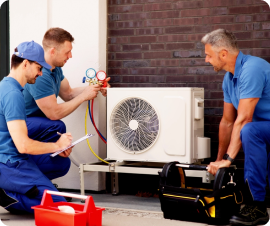
Regular servicing helps keep HVAC systems operating properly. Consequently, buildings may experience fewer breakdowns, improved indoor comfort, and more efficient energy use.
3. Supports Building Safety
Electrical faults, damaged fixtures, leaking pipes, and deteriorating building components can create safety concerns. For this reason, scheduled inspections should form part of every preventive maintenance plan.
Furthermore, qualified technicians can identify defects and recommend corrective action before they create more serious risks. Any safety-critical issue should be addressed promptly by an appropriately qualified professional.
4. Extends the Lifespan of Building Assets
Building equipment represents a significant investment. Therefore, maintaining HVAC units, pumps, electrical systems, doors, and other essential components can help reduce unnecessary wear and tear.
With proper inspections and servicing, property owners can make better decisions about repairs and equipment replacement. This approach also supports long-term asset management.
5. Improves Occupant Comfort
A well-maintained building provides a more reliable environment for residents, employees, customers, and visitors. For example, properly functioning air conditioning, clean common areas, reliable lighting, and effective plumbing contribute to a better daily experience.
Moreover, resolving maintenance issues promptly can reduce complaints and minimise disruption to building occupants.
Essential Preventive Building Maintenance Tasks
An effective maintenance programme should cover the building’s major systems and shared facilities. The exact requirements will depend on the property’s age, design, usage, and equipment.
Key tasks include:
- HVAC systems: Clean or replace filters, inspect cooling equipment, and check system performance.
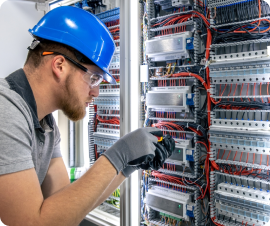
- Electrical installations: Inspect distribution boards, connections, lighting, and other electrical components.
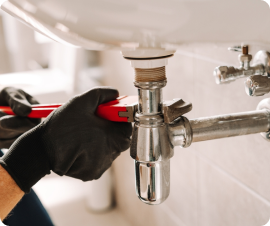
- Plumbing systems: Check for leaks, drainage issues, water pressure problems, and damaged fittings.
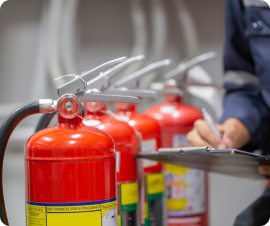
- Fire and life-safety systems: Arrange inspections and testing according to applicable requirements.
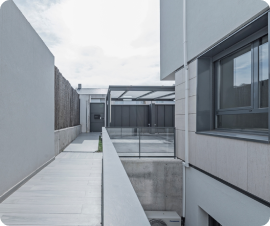
- Building structure and exterior: Inspect roofs, façades, sealants, and visible signs of water ingress or deterioration.
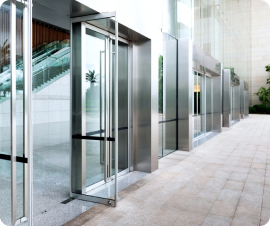
- Common areas: Check doors, lifts, corridors, parking areas, and shared facilities as applicable.
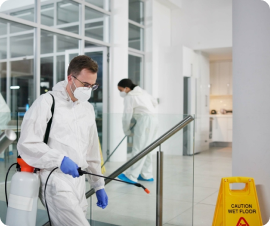
- Pest control and cleanliness: Schedule appropriate inspections and treatments to maintain hygienic conditions.
In addition to these tasks, maintenance teams should document their findings and record any corrective work. This information makes it easier to track recurring issues and plan future maintenance.
How to Create a Preventive Building Maintenance Plan
A structured plan helps property owners organise maintenance activities and monitor their progress. To get started, follow these steps.
Step 1: Inspect the Property
First, assess the building’s condition and identify its major systems, equipment, and maintenance requirements. During the inspection, record visible defects and prioritise any immediate safety concerns.
Step 2: Set a Maintenance Schedule
Next, create a calendar for routine inspections and servicing. Some tasks may need daily or weekly checks, while others can be scheduled monthly, quarterly, or annually according to manufacturer recommendations and applicable requirements.
Step 3: Prioritise Critical Systems
Not every maintenance task carries the same level of risk. Therefore, prioritise essential systems such as fire protection, electrical installations, lifts, and air conditioning based on safety, operational importance, and the consequences of failure.
Step 4: Assign Responsibilities
Clearly define who will conduct inspections, approve repairs, manage contractors, and maintain records. In larger properties, a dedicated facilities management team or qualified service provider can help coordinate these responsibilities.
Step 5: Monitor Results and Update the Plan
Finally, review maintenance records, recurring faults, repair expenses, and completed tasks. By analysing this information, property managers can adjust schedules and identify areas that require additional attention.
Preventive Maintenance vs. Reactive Maintenance
Although both approaches are used in building management, they serve different purposes.
Preventive maintenance follows a planned schedule to reduce the likelihood of equipment failure. In contrast, reactive maintenance addresses faults after they occur.
For example, servicing an air conditioning unit before a major breakdown is preventive maintenance. Repairing that same unit after it suddenly stops cooling is reactive maintenance.
While emergency repairs may sometimes be unavoidable, relying entirely on reactive maintenance can make costs less predictable and cause unnecessary disruption. Therefore, a balanced strategy should prioritise planned maintenance while retaining procedures for urgent repairs.
How a Professional Maintenance Provider Can Help
Managing multiple building systems requires technical knowledge, reliable scheduling, and accurate documentation. For property owners and facility managers, working with an experienced maintenance provider can make this process more manageable.
A suitable provider should understand the property’s requirements, explain the recommended scope of work, and provide clear service records. Furthermore, check that the provider has appropriately qualified personnel and the relevant approvals for the work being undertaken.
Before signing an agreement, clarify the services included, maintenance frequency, response arrangements, reporting procedures, and any exclusions. You can also explore the companies within Belresheed Group to learn more about its business portfolio.































Leave a Comment